Een pan sissende vis op vrijdagavond kan zich zondag nog aandienen in de gang. Luchtverfrissers stapelen parfum alleen maar op het probleem, omdat geurmoleculen en chemische dampen gassen zijn en geen stof, en geen enkele vorm van stofzuigen haalt ze uit de lucht. Dat is de specifieke taak van een actiefkoolfilter. Het korte antwoord komt eerst: een koolstofstadium absorbeert geuren, dampen van oplosmiddelen en andere gasvormige verontreinigende stoffen, het doet heel weinig voor fijne deeltjes, en het presteert alleen terwijl de poriën nog open zijn, dus vervangingsdiscipline is belangrijker dan welke claim dan ook die op de doos staat. De onderstaande paragrafen behandelen het mechanisme, de eerlijke sterke en zwakke punten, de twee veel voorkomende filterconstructies en hoe je een luchtreiniger kunt beoordelen die er een heeft.
Actieve kool begint als houtskool gemaakt van kokosnootschalen, hout of steenkool en wordt vervolgens bij hoge temperatuur behandeld met stoom of chemicaliën om miljoenen microscopisch kleine poriën te openen. Die activeringsstap is het hele punt: één gram behandelde koolstof heeft een inwendig oppervlak dat gewoonlijk ongeveer 1000 vierkante meter bedraagt, een oppervlakte van een klein appartement verpakt in een lepel korrels. Verontreinigende gassen hechten zich aan dat enorme oppervlak vast door middel van adsorptie, een proces waarbij moleculen aan de poriewanden blijven kleven door zwakke intermoleculaire aantrekkingskracht.
Adsorptie is niet de zeefwerking die stof opvangt. Een HEPA-laag houdt deeltjes tegen omdat ze fysiek te groot zijn om tussen vezels te glijden, terwijl een koolstoflaag moleculen opvangt die klein genoeg zijn om door een mechanisch filter te gaan. Er volgen twee praktische consequenties. De contacttijd is van belang, omdat een molecuul dat door een dunne koolstofplaat snelt minder kansen krijgt om een poriewand te raken dan een molecuul dat door een diep korrelig bed zweeft. Adsorptie is ook omkeerbaar, wat betekent dat warmte en vocht opgevangen gassen kunnen losmaken en terug kunnen geven aan de kamer. Een koolstoffilter kan het beste worden begrepen als een spons voor gassen in plaats van als een muur, en een verzadigde spons begint terug te geven wat hij ooit vasthield.
Koolstof presteert het sterkst tegen geurmoleculen, vluchtige organische stoffen (VOS) uit verf, schoonmaakmiddelen en meubels, ozon en verkeersgerelateerde gassen zoals stikstofdioxide. Het presteert het zwakst tegen deeltjes, dus PM2.5, pollen en stof behoren tot een HEPA-laag. Daarom stapelt bijna elke serieuze luchtreiniger beide materialen in één cartridge. Formaldehyde zit in het midden: het adsorbeert wel aan koolstof, maar vult de poriën sneller dan omvangrijke geurmoleculen, dus de resultaten zijn afhankelijk van hoeveel gram koolstof het filter vasthoudt en hoe langzaam de lucht er doorheen beweegt. Als formaldehyde uw grootste zorg is, meet dan voordat u geld uitgeeft, en onze gids hierover hoe je formaldehyde snel kunt detecteren en of een luchtreiniger echt nuttig is schetst een praktische testroutine.
De bovenstaande balken gebruiken illustratieve waarden om het patroon weer te geven dat een koper mag verwachten van een koolstoftrap van de juiste grootte. Huishoudelijke geuren en VOC's staan bovenaan omdat hun omvang en chemie goed in de koolstofporiën passen. Ozon scoort ook hoog, omdat actieve kool het niet alleen adsorbeert, maar ook helpt het af te breken. Daarom fungeert een koolstofstadium vaak ook als ozonvanger. Stikstofdioxide en soortgelijke verbrandingsgassen komen terecht in de middelste band, waar de resultaten variëren met de koolstofhoeveelheid en de ventilatorsnelheid. Formaldehyde zit lager omdat het de poriën snel verzadigt en met waterdamp concurreert om ruimte. Fijne deeltjes blijven dichtbij de bodem, niet omdat koolstof ze niet kan raken, maar omdat een koolstofbed daarvoor het verkeerde gereedschap is.
Binnenin de cartridge kiezen fabrikanten tussen twee constructies, en de keuze bepaalt de prijs, het geluid en hoe vaak je het deksel opent. Actieve kool in korrelvorm is een los bed van pellets, meestal gemeten in honderden grammen, diep genoeg om moleculen royaal poriecontact te geven, maar dik genoeg om een sterkere ventilator te vereisen. Met koolstof geïmpregneerde vezels zijn dunne vellen of doeken bedekt met koolstof, zacht voor de luchtstroom en slank genoeg voor compacte ontwerpen, maar de kleine koolstofbelasting kan binnen enkele weken verzadigen in een sterk geurende of rokerige kamer. Geen van beide typen wint overal, en de onderstaande tabel laat zien waar elke constructie past.
| Kenmerk | Korrelig actief koolbed | Met koolstof geïmpregneerde vezelplaat |
|---|---|---|
| Typische koolstofbelasting | Honderden grammen | Tientallen grammen of minder |
| Luchtstroomweerstand | Hoger, heeft een sterkere ventilator nodig | Laag, gemakkelijk voor compacte ventilatoren |
| Verzadiging snelheid | Langzamer bij zware geurbelasting | Sneller, vaak binnen enkele weken |
| Beste pasvorm | Keukens, rokers, renovatieperiodes | Bureaus, slaapkamers, slanke ontwerpen |
| Vervangende keu | Geuren keren langzaam terug | Vast kalenderschema |
Elk koolstofstadium verliest geleidelijk aan capaciteit naarmate de poriën zich vullen met opgevangen moleculen, en de achteruitgang volgt een voorspelbare vorm. In het begin is de curve zacht, omdat miljoenen lege poriën de binnenkomende belasting zonder klachten absorberen. Voorbij een bepaald punt wordt de helling scherp steiler: er zijn voldoende poriën bezet zodat nieuwe moleculen minder open plekken vinden, en de geurdoorbraak volgt kort daarna. De onderstaande curve toont een typisch efficiëntiepad voor een gecombineerde cartridge in een gemiddeld huis, en de vorm ervan is belangrijker dan de exacte cijfers.
Lees de curve van links naar rechts als maandenlang ononderbroken gebruik in een typische woonkamer. Een nieuwe cartridge verliest in de eerste twee maanden slechts een bescheiden deel van de capaciteit. Daarom voelen nieuwe filters zo effectief aan. Tussen maand drie en vijf wordt de helling steiler omdat veel poriën al bezet zijn, en de eerste zwakke terugkeer van kookluchtjes verschijnt hier meestal. In de zes tot acht maanden vullen de resterende poriën zich snel, en het filter kan op warme, vochtige dagen zelfs de opgevangen gassen opnieuw vrijgeven. De gestippelde markering is eerder een planningssignaal dan een harde regel, omdat zware keukens, rokers en renovatiestof de hele bocht naar links duwen. Door reservefilters afgesloten op te slaan en de luchtreiniger op een constante lage snelheid te laten draaien in plaats van korte uitbarstingen, blijft de curve langer zacht.
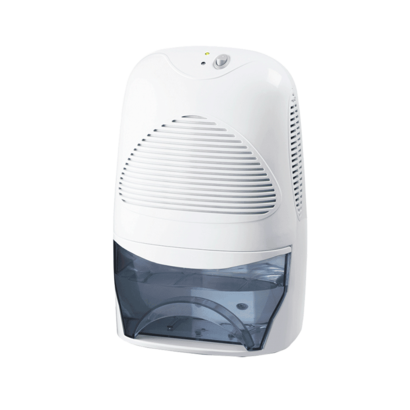
Vochtigheid verdient een eigen waarschuwing. Watermoleculen concurreren met verontreinigende gassen om de porieruimte, dus een koolstofstadium dat in een vochtige kelder of een zwoele zomer werkt, geeft de capaciteit ruim eerder dan gepland op. Door het vocht binnenshuis binnen een comfortabele band te houden, worden zowel de koolstof als uw comfort beschermd, en in echt vochtige klimaten is een speciale luchtontvochtiger de stille partner die het koolstofstadium ongestoord zijn werk laat doen.
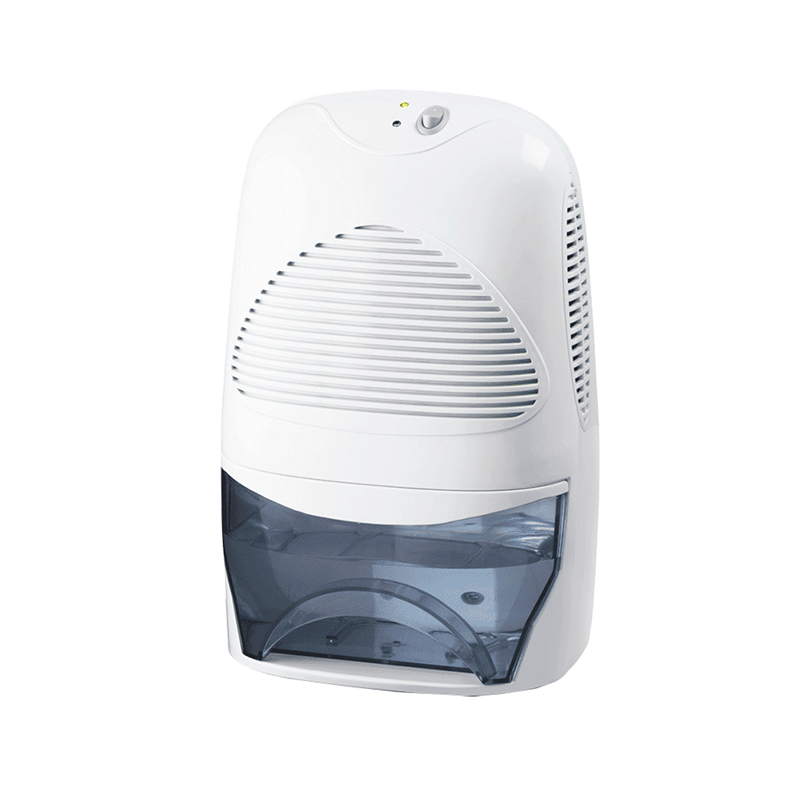 LG-203 gecertificeerde compacte luchtontvochtiger In vochtige kelders of vochtige zomers concurreert vocht met gassen om de koolstofporieruimte en wordt de levensduur van het filter verkort. Deze thermo-elektrische luchtontvochtiger helpt de luchtvochtigheid binnen een comfortabele bandbreedte te houden, zodat het koolstofstadium ongestoord kan werken. Bekijk Product →
 Vuistregels helpen, maar de gebruikscontext bepaalt de kalender. In de onderstaande kolommen zijn de intervallen verzameld die we het vaakst zien voor gecombineerde HEPA- en koolstofcartridges in gewone huizen.
De kolommen vertalen de verzadigingscurve naar kalendertijd voor vier veel voorkomende omgevingen. Een slaapkamer met licht gebruik, waar de luchtreiniger voornamelijk de nachtelijke lucht verwerkt, kan een patroon tot zes maanden uitrekken. Een gemiddelde woonkamer met regelmatig koken in de buurt komt dichter bij de vier. Een ruimte die uitkomt op een drukke keuken raakt rond de drie maanden verzadigd, omdat frituurdampen rijk zijn aan koolstof. Een huishouden met binnenrokers moet rekening houden met ongeveer twee maanden, en geen enkel filter mag worden beschouwd als toestemming om binnenshuis te roken. Gebruik je neus als eindscheidsrechter: wanneer bij het opstarten zwakke geuren terugkeren, is de curve al steiler geworden.
Als je machines vergelijkt, kijk dan voorbij het woord koolstof op de doos en vraag wat er eigenlijk in zit. Vijf controles scheiden een serieuze koolstoffase van een decoratieve fase:
Deze details zijn precies waar onze ingenieurs op afstemmen bij het ontwikkelen van luchtreinigers voor internationale merken, en u kunt er doorheen bladeren volledige assortiment luchtreinigers om te zien hoe verschillende platforms korrelige koolstof verpakken met mechanische filtratie. Een full-size unit past in een woonkamer die zowel deeltjes als geuren tegelijk bestrijdt.
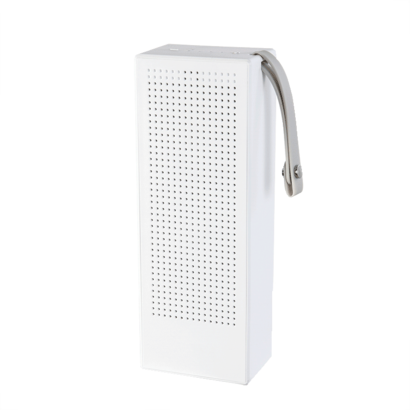
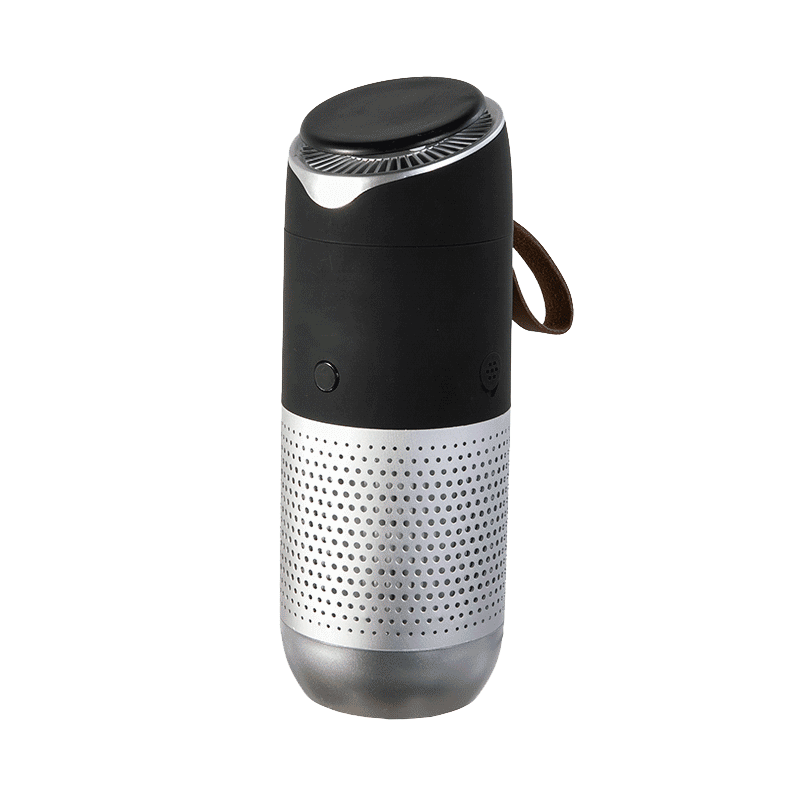 Slimme auto-luchtreiniger uit China Een compacte unit die geschikt is voor kleine ruimtes zoals een auto-interieur of persoonlijke ruimte, waar gerichte geur- en gasbeheersing van belang is. Het is een aanvulling op full-size luchtreinigers die grotere ruimtes aankunnen en zowel deeltjes als geuren bestrijden. Bekijk Product →
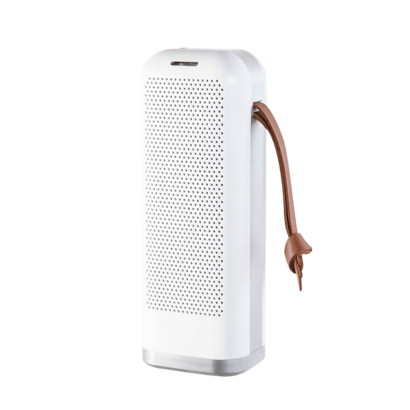
 Voor bureaus, slaapzalen en nachtkastjes bedekt dezelfde chemie in een compacte, oplaadbare behuizing de hoek van de kamer waar u daadwerkelijk zit, zolang de CO2-belasting maar eerlijk is voor de ruimte.
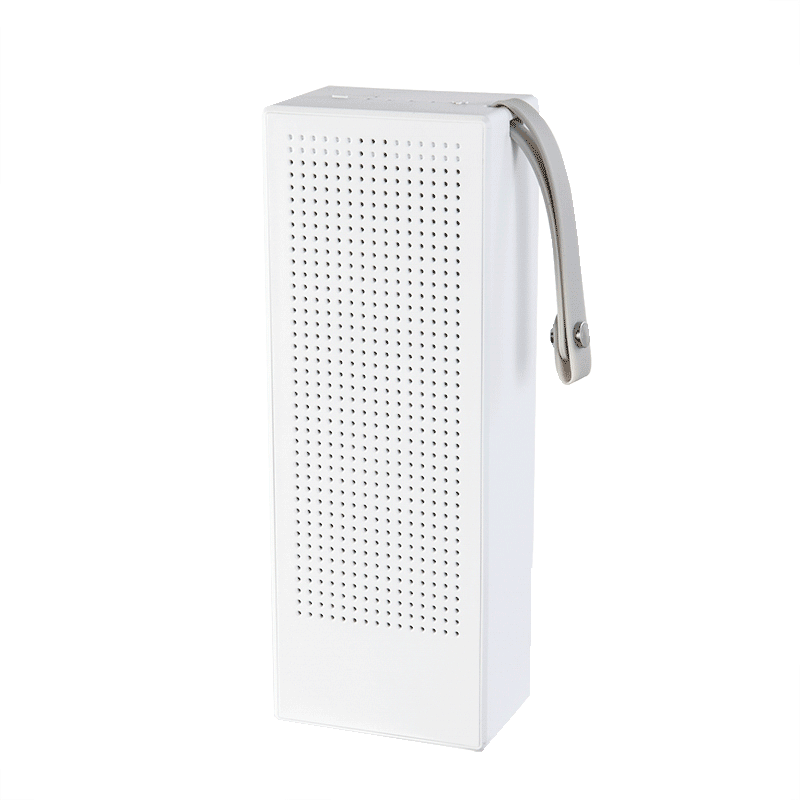 Draagbare oplaadbare luchtreiniger RAP-02 Met een H12 HEPA-filter plus koolstoffilter en drie snelheden inclusief slaapmodus, combineert deze oplaadbare luchtreiniger deeltjes- en gasfiltratie voor bureaus, slaapzalen en nachtkastjes waar u daadwerkelijk zit. Bekijk Product →
 Het radarbeeld vergelijkt de drie lagen die in de meeste luchtreinigers voorkomen op een illustratieve schaal van zwak naar sterk. Het actieve koolstofprofiel spitst zich toe in de richting van gas- en geurverwijdering en stort in in de richting van deeltjesverwijdering, wat bijna het spiegelbeeld is van de HEPA-vorm. Het HEPA-profiel torent hoog boven fijne deeltjes uit en verdraagt de luchtvochtigheid goed, omdat het voor glasvezels niet uitmaakt of de lucht vochtig is. Het wasbare voorfilter biedt een lange levensduur en vrijwel geen belemmering voor de luchtstroom, maar raakt toch nauwelijks gassen, dus het werkt als een bodyguard voor de lagen erachter in plaats van als een op zichzelf staand antwoord. Geen enkele laag wint overal, en daarom is de echte koopbeslissing het matchen van de hoogste pieken op deze grafiek met de vervuiling die je feitelijk hebt. Een keukenzwaar appartement heeft de koolstofpiek nodig, een stuifmeelzware slaapkamer heeft de HEPA-piek nodig, en de meeste huizen hebben de combinatie nodig.
Het komt erop neer dat het eenvoudig is. Koop koolstof voor gassen en geuren, koop HEPA voor deeltjes en budget voor vervangingsfilters zoals u budget voor koffie budgetteert, als terugkerende kosten die de belofte waarmaken. Controleer het koolstofgewicht, bescherm de poriën met een voorfilter, houd de reserveonderdelen afgesloten en laat uw neus bevestigen wat de kalender suggereert. Op deze manier behandeld, doet een actief koolstoffilter maandenlang op betrouwbare wijze zijn stille chemie, en blijft vrijdagvis in de keuken waar hij thuishoort.

@2020. CIXI XIATIAN ELEKTRISCHE APPARATEN CO.,LTD. Alle rechten voorbehouden. Groothandel hoogwaardige fabrikanten van elektrische ventilatoren



 Engels
 한국어
한국어